Forum Replies Created
-
AuthorPosts
-
Artless Bodger
ParticipantLeaving WM machine house.
Attachments:
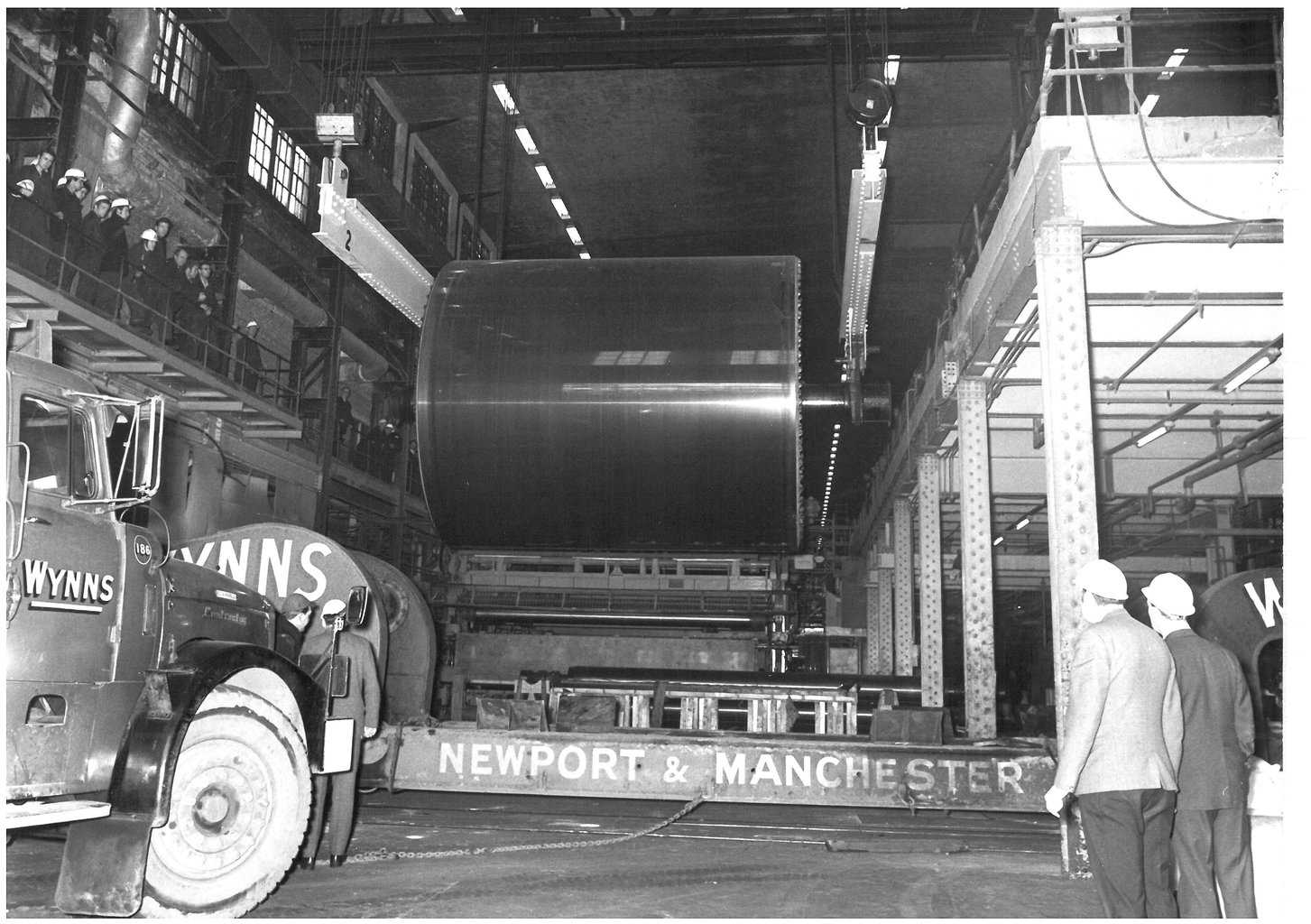
ParticipantCylinder being moved down the machine house and positioned in front of n0 9 reeler ready to be lowered onto the Wynns Heavy Haulage low loader.
Attachments:
ParticipantCylinder now lifted clear of its bearings and hanging over the space formerly occupied by the reel up.
Attachments:
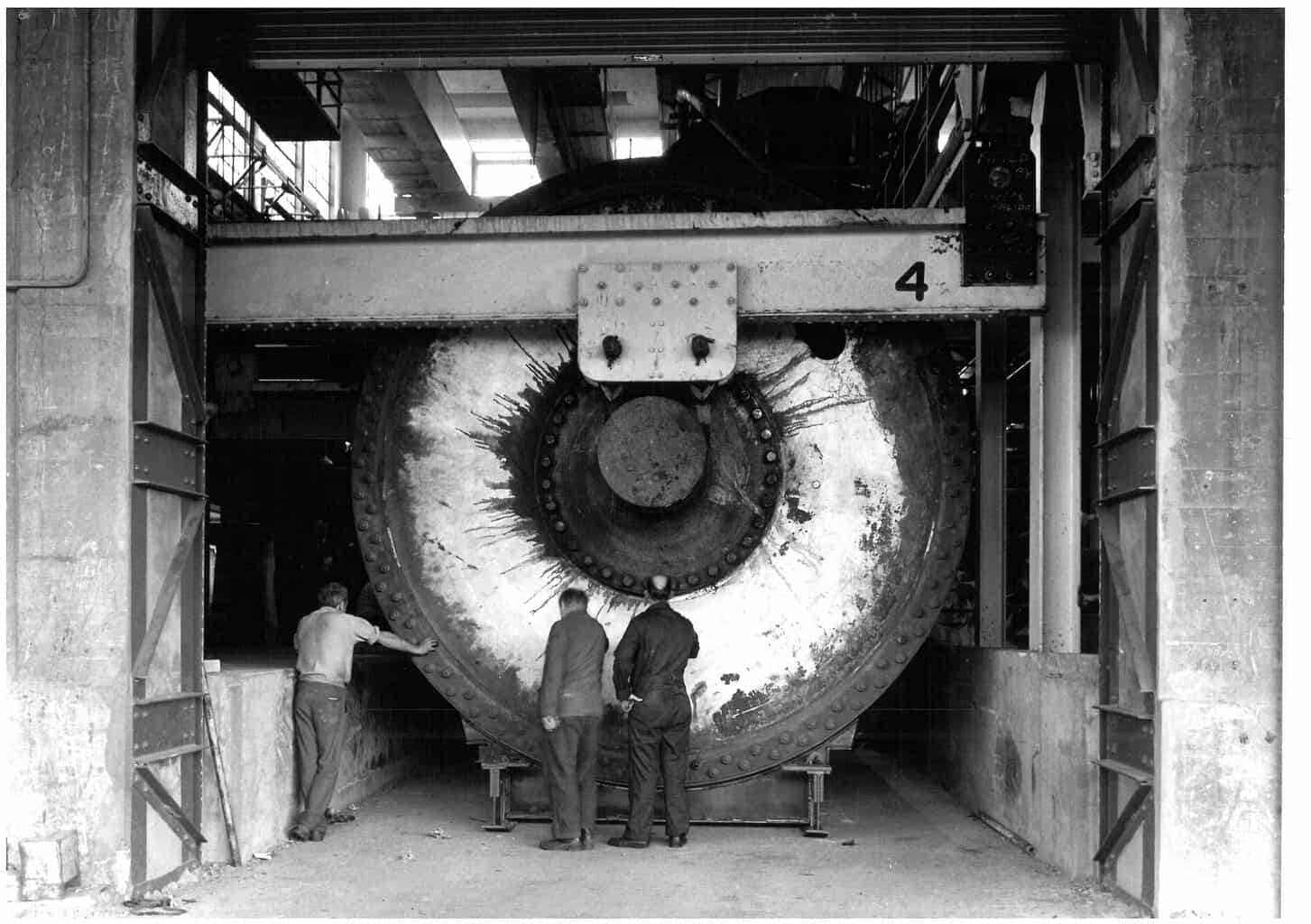
ParticipantOld MG cylinder ready to be lifted out, the MG press roll is visible underneath and on the left what appears to be the end of a vacuum box (2 handles on the end), and on the floor probably the press roll or vacuum couch roll. Fitters standing on the annexe roof behind with its fluted decoration along the top – I remember this from climbing up onto the annexe roof to clean the alum header tank during mill shuts (and finding the support ironwork corroded almost completely through by leaking alum).
Attachments:
ParticipantNo 10 cropped from main plan.
Attachments:
ParticipantNo 10 machine rebuild, the machine initilly had just a single MG cylinder, like no 8, as shown in the attached plan. The reeler stood between the machine reel up and no 11’s screens. There is a photograph, on the English Heritage website I think, which shows no 10 in this condition with no 9 wet end beyond. At this time 10 had no pre-driers. It was later rebuilt (was it originally a tissue machine and with the construction of the KC mill and consumer choice changing to soft tilet tissue, reduced demand led to its rebuild? Pure speculation on my part at this stage, would be great to hear from someone who knows).
These photos show the removal of the old MG cylinder and the delivery and installation of the new cylinder.
WM plan showing original no 10 layout – undated.
Attachments:
ParticipantFinally the cylinder departs over New Hythe station level crossing, the brick building in the left background was demolished later to widen the junction of New Hythe Lane and Mill Hall Road, and a security office was built here.
-
This reply was modified 2 years, 9 months ago by
Artless Bodger. Reason: spelling
Attachments:
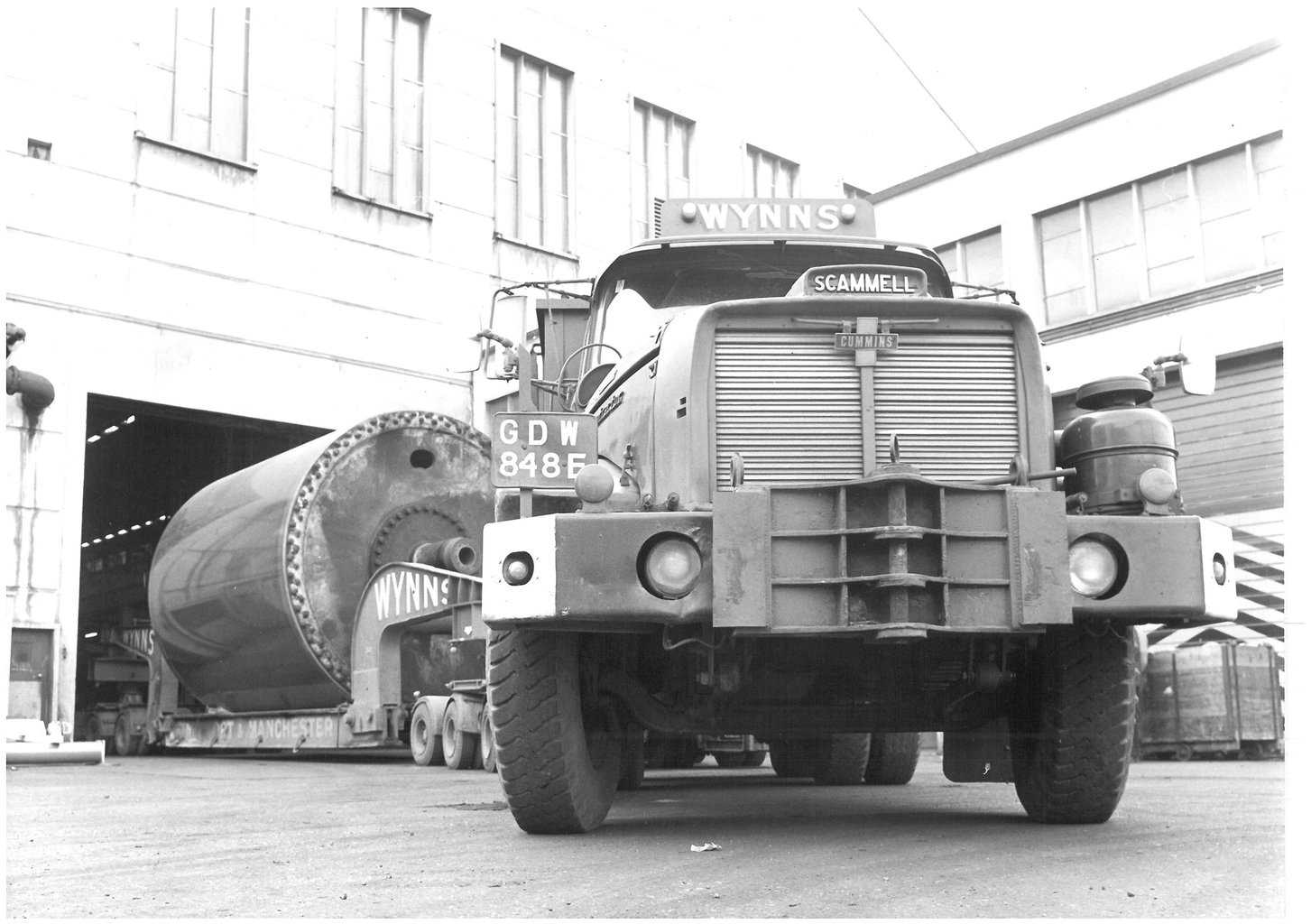
ParticipantThe cylinder being dragged out by the Wynns Heavy Haulage tractor. The tractor is a Scammell Contractor, the other lorry appears to be an AEC Matador or similar.
Attachments:
ParticipantIn the dock, no 8 MG dryer hood in background.
Attachments:
ParticipantSome more photos that were scanned and sent to me when East Mill was demolished. Firstly the removal of an MG cylinder from East Mill nos 5,6,7,8 machine house. The caption says no 5 machine but I think it is too far down the length of no 6 on the right to be no 5 and is actually no 7. When I worked in the mill – 1975 – 1978 summers, 1978 – 1985 full time, no 5 machine was still extant, no 7 was a hole in the floor.
Attachments:
ParticipantCouple of postcards that were in the family collection, after a fire at Bridge Mill.
 Participant
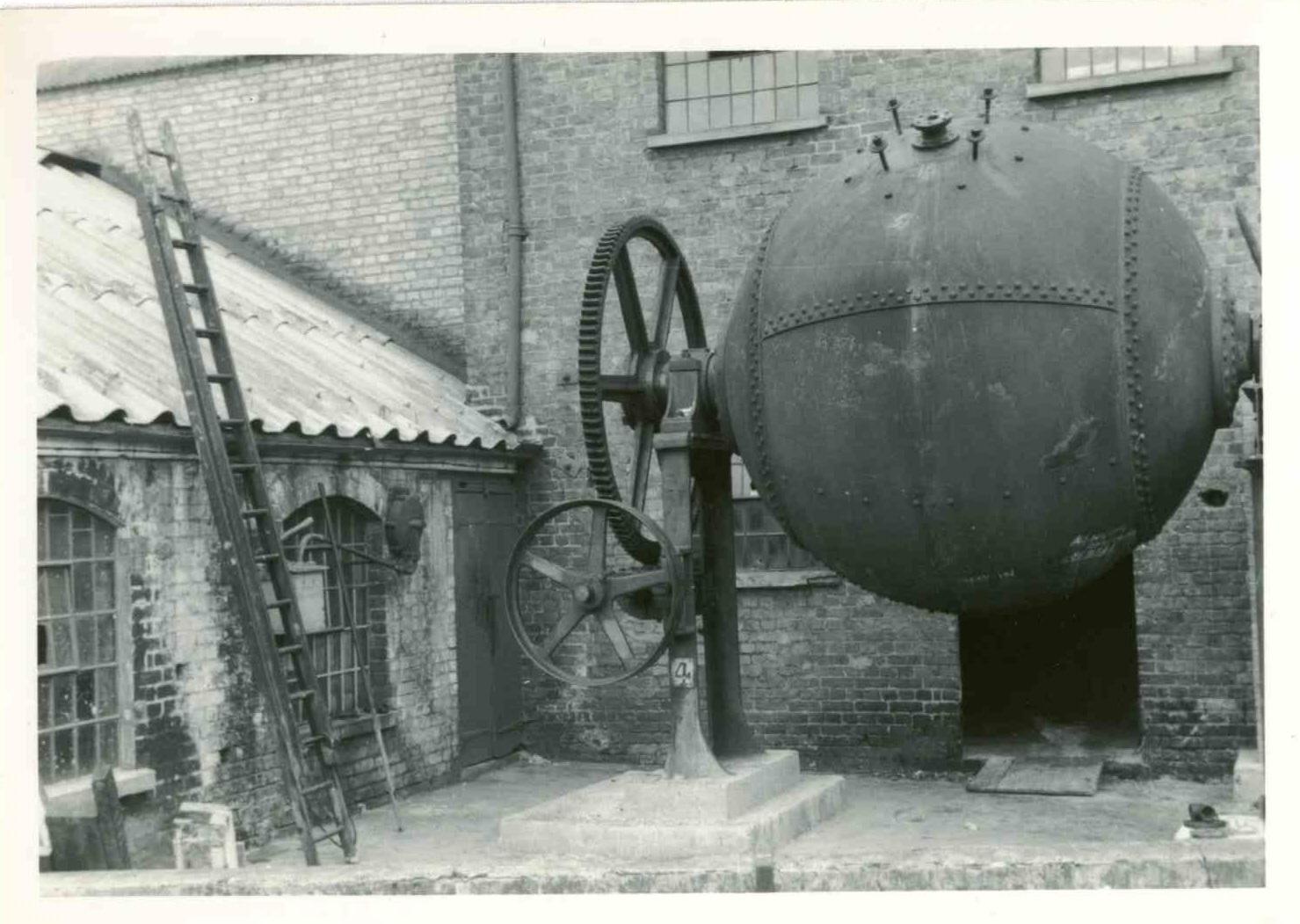
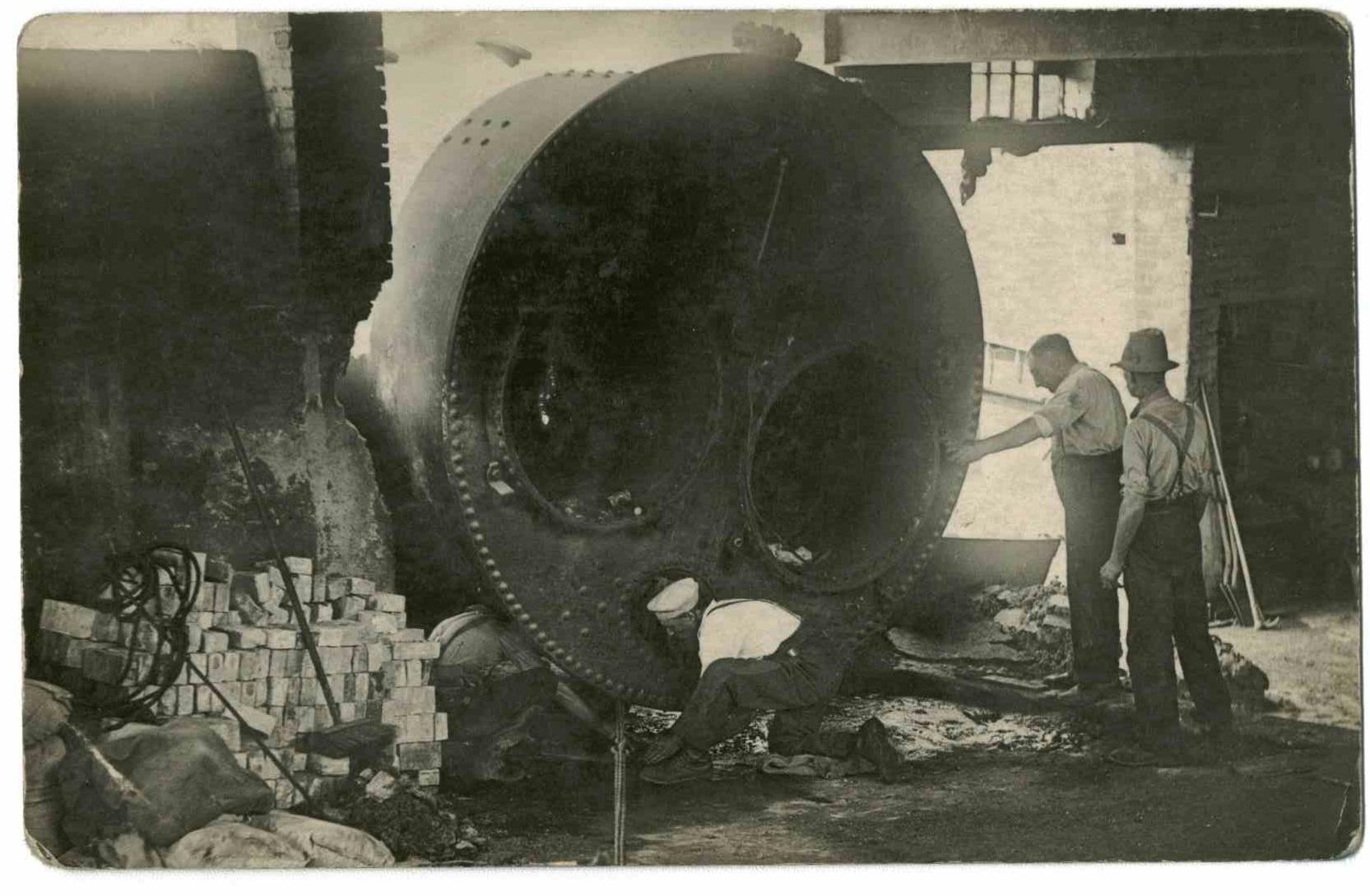
Allnutt’s rag boiler.
 Participant
No 10. Winching the boiler into place (?)
This photo was not part of the set above but one of a few other photos and post cards in the family collection at the time, the building looks like it has been subject o some demolition to get the boiler in. New firebricks are stacked alongside. The two men rather precariously occupied under the end of the bloier appear to be adjusting packing to slide it over, the winch cable / chain leads towards the photographer.
Whether my grandfather was involved in this work I do now know, he is not recognisable in any of the photos, however we know he had duties associated with the boilerhouse as he suffered a scald injury at some time from steam escaping a safety valve. Mum remembers him going into work at 6pm on a Sunday to light up and raise steam overnight, ready for the mill to start up at 6 am Monday morning, when he would pick up his normal 12 hour day shift, she used to cycle down from their house off the Tonbridge Road to take him his dinner.
 Participant
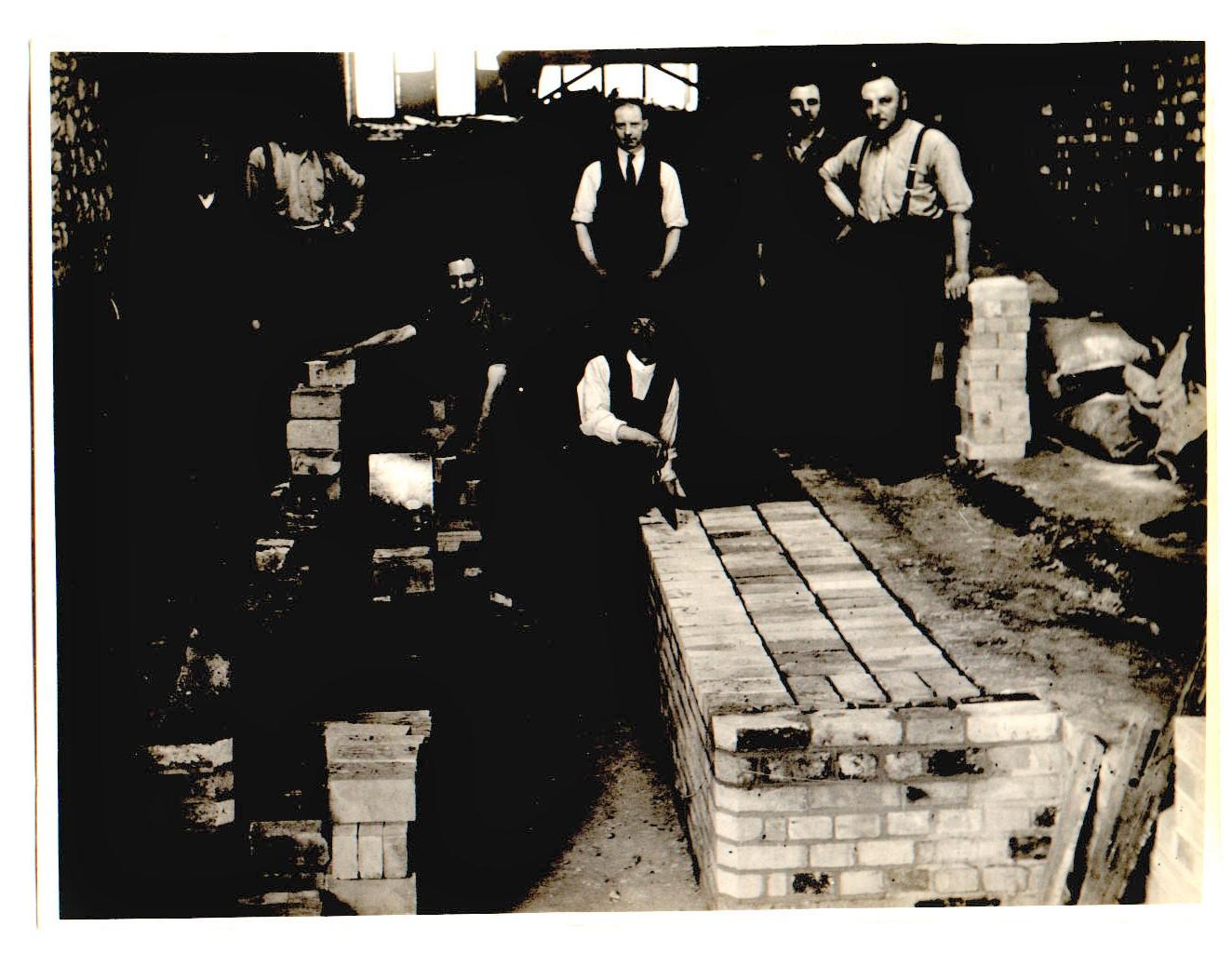
No 9. Building the boiler bed.
 Participant
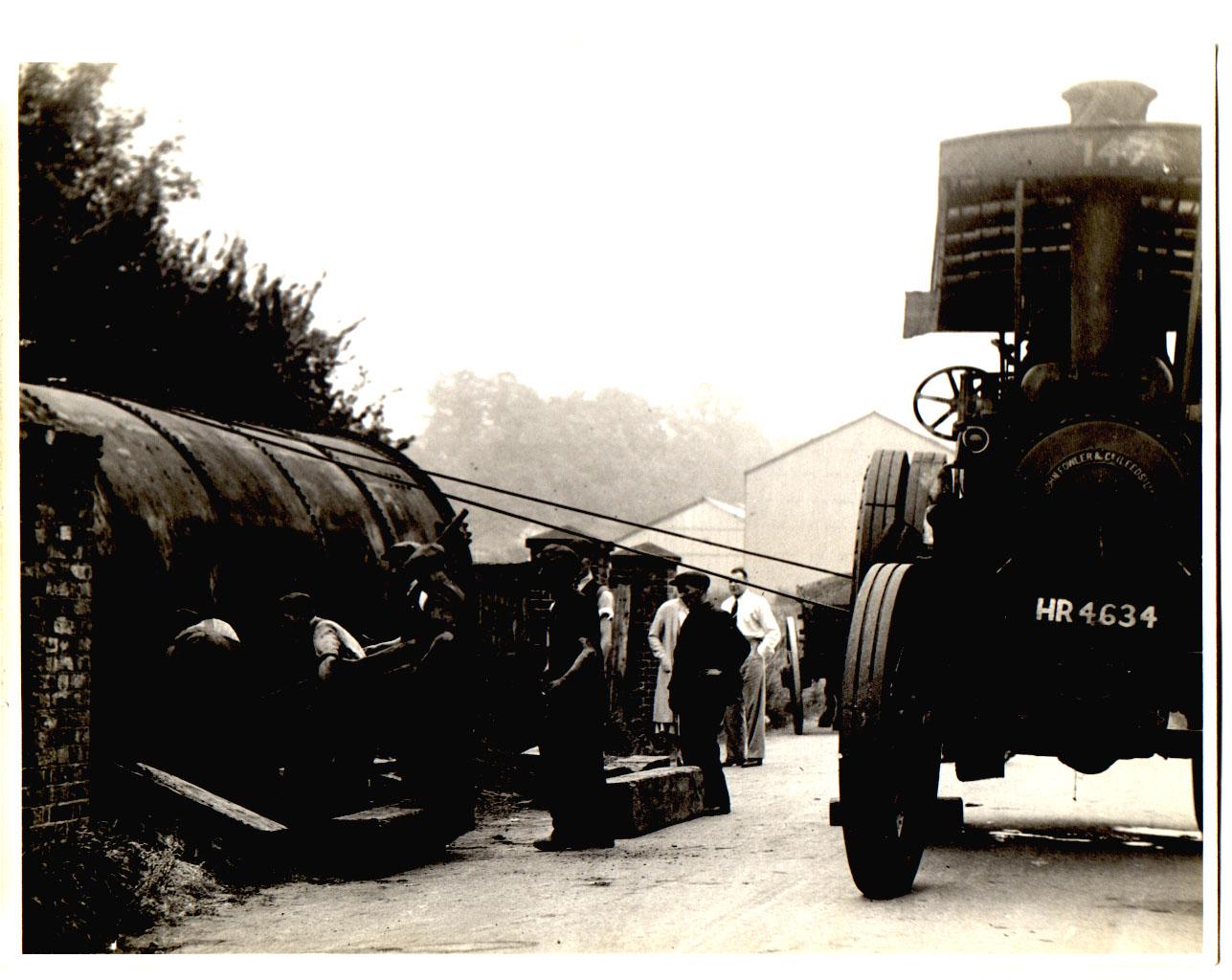
No 8. Moving the boiler into the mill – exactly how the winch cables are deployed isn’t clear, either via pulley blocks further in, or to control the rolling of the boiler down a slope. The man in the white shirt appeared previously in no 7.
-
AuthorPosts